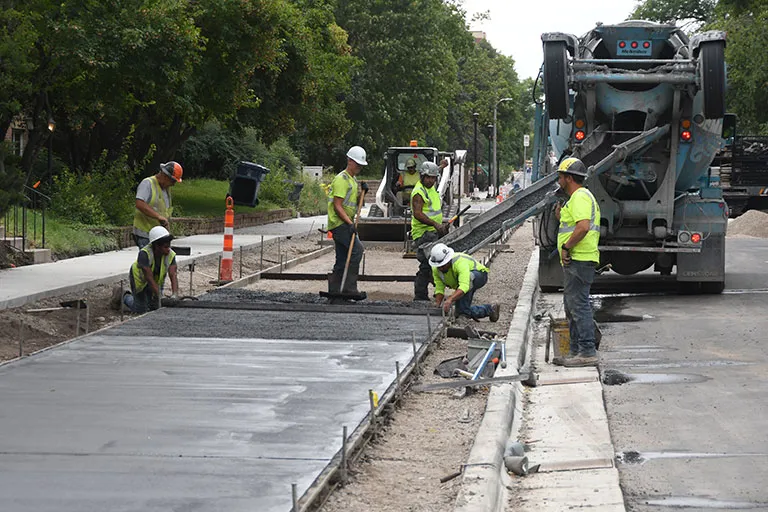
The redesign of Bryant Avenue South in Minneapolis was meant to be a symbol of progress, but it has become a battleground of contrasting viewpoints, revealing engineering missteps and the clash of visionary ideals. The aim of the ambitious project was to transform the road into a multi-modal corridor, but it faced criticism for its lack of foresight, especially during harsh snowy winters, and the inconvenience caused by a design that impedes homeowners’ access to their driveways.
One perspective is that roads should serve their core purpose of providing smooth and convenient passage for vehicles. This viewpoint acknowledges that ease of transportation is essential for urban living, especially in a city like Minneapolis. The frustration caused by bottlenecks, limited access, and design flaws cannot be ignored, as they impact the everyday lives of residents.
On the other hand, a contrasting narrative emerges – one driven by new ideas and visions that extend beyond the traditional utility of roads. This perspective champions innovative designs that prioritize health, the environment, and the community’s overall well-being. The focus shifts from mere convenience to a more holistic approach, wherein cycling and green spaces take precedence. It’s an outlook rooted in idealism – a belief that sacrificing certain conveniences today can lead to a better, sustainable tomorrow.
As the story of Bryant Avenue South unfolds, it’s evident that the clash between these perspectives mirrors a broader societal dilemma. The project’s missteps and inconveniences are undeniable reminders of the importance of practicality and functionality in urban planning. Yet, the call for visionary ideals highlights the need for innovation and the pursuit of a greener future.
The narrative encapsulates the essence of Minneapolis – a city wrestling with its past and future, grappling with the tension between tradition and innovation. City officials must find common ground between these opposing viewpoints as they confront their errors and grapple with the vision for Bryant Avenue’s transformation. Balancing the practical needs of the present with the aspirational goals of the future becomes a delicate dance – a challenge that mirrors the intricacies of modern urban development.
In the end, the story of Bryant Avenue South transcends the specifics of a single project. It becomes a reflection of our society’s ongoing struggle – a struggle to harmonize the immediate needs of convenience with the long-term benefits of sustainability. As Minneapolis navigates this complex landscape, the road ahead demands careful consideration, open dialogue, and a willingness to bridge the gap between what is and what could be.