Trending

Jasha Johnston in Minneapolis 420 and Chill Beats Netflix and Chill Female DJs Breaking Barriers Road to Hell or Visionary Masterpiece Minneapolis Film Scene Thrives A Rock ‘n’ Roll City Urban Tattoo Underground Trace’s Bold Strokes Redefining Urban Artistry The Life of a Minneapolis Weed Dealer Earl Woods, Tiger, and South Minneapolis Becka Thompson: Demo-Crat Classic

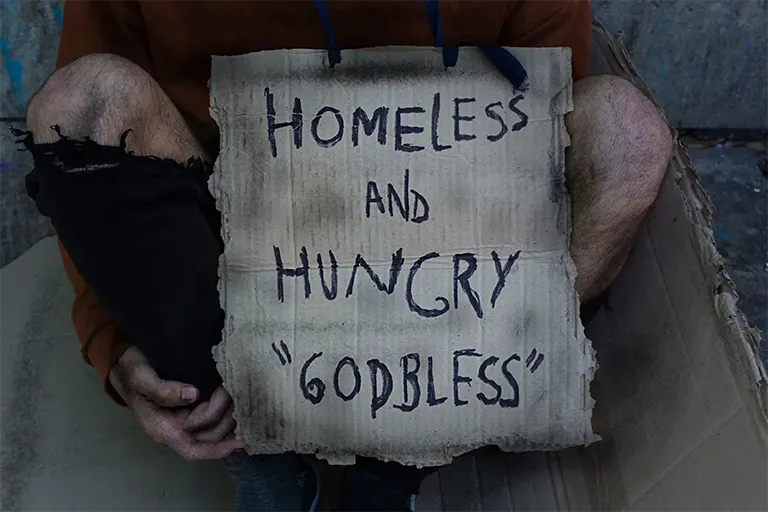
Homelessness in Minneapolis: A Crisis Unveiled

The bitter truth of homelessness in Minneapolis, Minnesota, is a multifaceted crisis driven by rising housing costs, mental health struggles, and addiction issues. In this 300-word blog post, we delve into the harsh realities faced by over 6,000 homeless individuals in the city, highlighting the urgent need for action and compassion.

Homelessness is a complex and heart-wrenching issue that haunts the streets of Minneapolis, Minnesota. As the state grapples with frigid winters and scorching summers, thousands of its residents are left with no roof over their heads, their plight exacerbated by a cocktail of contributing factors.

According to the 2022 Point-in-Time Count, Minneapolis witnessed a disturbing increase in homelessness, with over 6,000 people experiencing this grim reality. This figure marked a significant rise from the 5,500 recorded just a year prior, painting a bleak picture of the city’s housing crisis.

The causes behind this surge in homelessness are numerous and intertwined. At the forefront is the soaring cost of housing, with the median rent for a one-bedroom apartment now exceeding $1,500 per month. This financial barrier leaves many individuals and families teetering on the precipice of homelessness, unable to secure stable shelter.

Furthermore, the lack of accessible mental health and addiction treatment services compounds the issue. A significant portion of the homeless population grapples with these challenging conditions, making access to care and rehabilitation nearly impossible.

Minneapolis is not idly standing by; it has established a Homeless Response Team (HRT) dedicated to connecting the homeless with vital resources and services. The city also recognizes the importance of affordable housing and is investing in initiatives that aim to provide it.

However, the scale of the problem demands more than just these efforts. Increasing the availability of affordable housing, expanding access to mental health and addiction treatment, providing job training, fostering civic engagement, and challenging stereotypes about homelessness are all critical steps toward a lasting solution.

Individuals, too, can make a difference by contributing to homeless shelters, volunteering their time, advocating for policies that address root causes, and educating themselves about the plight of the homeless.

Homelessness is an issue with a solution, but it requires a collective effort. Let us work together to ensure that everyone, regardless of circumstance, has a safe and affordable place to call home in Minneapolis.


Share:

Facebook
Twitter
Pinterest
LinkedIn
Email

Leave a Reply

Your email address will not be published. Required fields are marked *

On Key

Related Posts

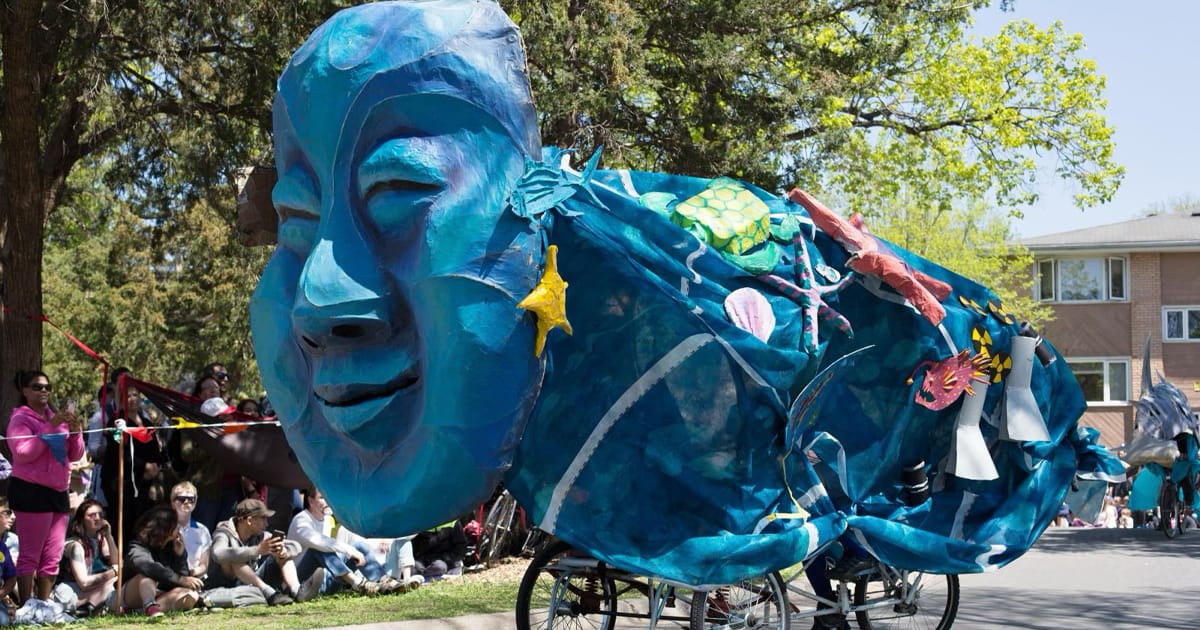
A puppet float representing the ocean winds through South Minneapolis during the 2025 MayDay Parade. © Gina Kelly / Alamy Stock Photo

MayDay Parade 2025 The Southside Gathers

The MayDay Parade returns to South Minneapolis on May 4, 2025. Expect pasty legs in sandals, the scent of weed in the air, and a joyful stampede of neighbors shaking off winter with puppets, protest, music, and mischief.

Jasha Johnston stands behind bar at LITT Pinball Bar.

Jasha Johnston Crafting Hospitality in Minneapolis

From relic to neon-litt, Jasha Johnston’s transformation of Liquor Lyles into LITT Pinball Bar is a testament to his respect for the past and his vision for the future. Delve into our article to experience the beginnings of Minneapolis’ top restaurateur.

A drug dealer out of focus behind some marijuana plants.

The Life of a Minneapolis Weed Dealer

Reflecting on his life as a dealer, “Johnny Weedman” (a pseudonym) shares, “Selling weed, it’s my full-time gig. I manage to pay my bills and have a little left over. But the real challenge? Dealing with fucking stupid people. It’s like any service industry, like working in a restaurant or retail, but you run into a lot of stupid motherfuckers. And because it’s kinda illegal, people think they can behave differently than they would in a legit business.”