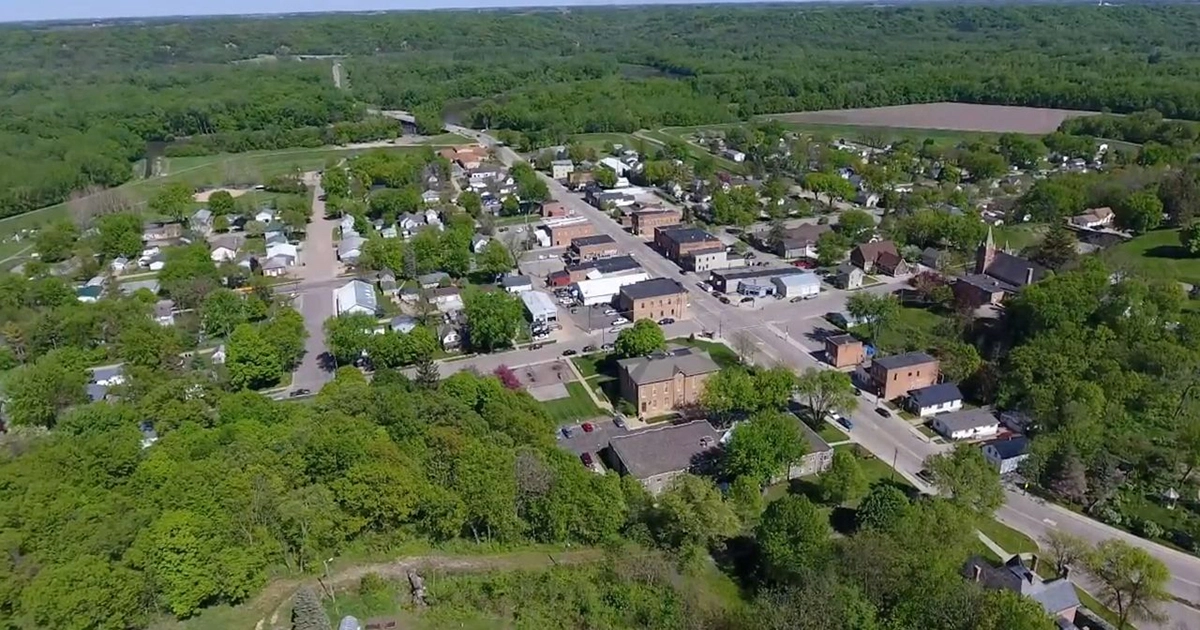
The calendar claims it is late September, but Minneapolis has already begun its quiet, annual contraction. The transition rarely happens on schedule. It arrives on some random morning when the sun rises lower, the wind hits the corner of Bde Maka Ska with a sudden, damp sharpness, and the collective manic energy that fuels a Minnesota summer simply runs out of breath.
For three months, this city lives on sheer adrenaline. We sprint through June, July, and August as if under a court order to maximize every waking minute of daylight. Patios are treated as civic obligations, lakes become crowded public living rooms, and our calendars explode into a dense matrix of concerts, boat rides, and impromptu evening gatherings. Summer doesn’t cure loneliness. It just gives us more places to hide from it.
Then autumn removes some of those hiding places.
As the evenings turn cold and the first sharp air comes through an open window, the city moves back indoors. The social radius shrinks overnight. And it is right around this week—when the sweaters come out of storage and the afternoon light disappears noticeably earlier than it did a month ago—that the internet resurrects its favorite seasonal joke: cuffing season.
Popular culture treats cuffing season as a superficial, lighthearted phenomenon—a mad dash on dating apps to secure a partner for the cold months ahead, like laying in firewood before the freeze. But if you sit quietly in a Minneapolis apartment as the light fades on a Sunday afternoon, you realize that cuffing season isn’t really about dating apps, or romance, or sex. Fall does not create loneliness so much as it exposes it.
When the outdoor distractions evaporate, we are left alone with the silence of our own living spaces. And for many adults in their twenties, thirties, and beyond, that silence brings a sudden, quiet realization: we have built lives that are remarkably efficient, highly independent, and profoundly isolated.
Modern city life—particularly for ambitious professionals—is an exercise in optimization. We have curated our environments to eliminate friction. We can order dinner without speaking to a human being, stream endless entertainment matched precisely to our psychological mood, control our apartment’s ambient lighting from a glass rectangle, and fill our schedules with workouts, work projects, and personal routines. We have achieved absolute sovereignty over our immediate surroundings.
Yet, when someone opens a dating app on a cold autumn night, they may think they’re looking for another date. But underneath the swipe can be a quieter desire: not more access to people, but someone’s actual presence.
Swiping through hundreds of profiles offers an illusion of infinite human access. You can maintain eight active text threads while sitting alone in a dark room eating takeout from a cardboard box. But access is not presence, and attention is not intimacy. What many people may actually be craving when they say they want a partner for the winter is something far more modest, and far more radical.
They do not want the high-stakes performance of a first date, with its curated anecdotes, strategic outfit choices, and rehearsed small talk.
They want someone to be boring with.
They want the low-stakes baseline of an ordinary Sunday. They want the feeling of a shared space where nothing is being demanded of them—someone who knows how their workday went without needing a three-paragraph explanation, someone who sits on the other end of the couch reading a book, someone who knows their coffee order, someone who hears the mediocre story about a missed golf putt or an annoying email and simply nods. They want someone to share the continuing narrative of an unglamorous life. They want to be witnessed.
The confusion of the modern dating market is that it promises this deep, ambient companionship while selling us tools designed entirely for transactional evaluation. We treat human connection like a retail search engine, filtering potential partners for height, profession, and aesthetic preferences, as if a life partner were a piece of modular furniture that needs to fit into a specific corner of our pre-existing, non-negotiable routine.
We want intimacy, but we are terrified of intrusion.
A real relationship is, in some sense, a welcome intrusion. Another person brings inconvenient moods, unpredictable timing, conflicting preferences, and claims on your attention. They disrupt your perfectly calibrated thermostat, your morning routine, and your solitary peace. You cannot let someone deeply into your life while simultaneously retaining total, absolute authority over your space. Intimacy demands that you surrender a slice of your sovereignty in exchange for warmth.
If you are feeling the quiet weight of the changing season this week, it is worth asking yourself a simple psychological question: If the person you claim to be looking for suddenly knocked on your apartment door right now, what would you actually want to do with them?
If the answer isn’t a glamorous night out or a cinematic romance, but simply making a pot of soup, watching a movie under a heavy blanket, or sitting in the same room while the wind moves through the trees outside, then your loneliness may be telling you something more useful than simply that you need another date. It may be pointing toward a very normal, deeply human need for sustained companionship in a hyper-independent world.
Connection does not require an algorithmic miracle, nor does it require waiting for a stranger to validate your existence on an app.
You are almost certainly not the only person around you experiencing this seasonal contraction. The people sitting in the coffee shops along Hennepin Avenue, the people walking around the lake in heavy coats, the colleagues closing their laptops at five o’clock—many of them are adjusting to the same cold air, the same darkening skies, and some version of the same human need for connection.
Breaking the spell of urban loneliness often begins with an ordinary, unsophisticated bid. Look through your phone—not at the dating apps, but at the dormant contacts sitting right beneath them. The friends you haven’t texted since June, the former coworker you always enjoyed talking to, the person you kept meaning to catch up with before the summer got away from you.
Pick up the phone and break the unwritten rule that says we must all pretend to be completely self-sufficient. Send a simple, unpolished message: I’ve realized I’ve been spending way too much time in my own head lately. The weather is changing—do you want to get a cup of coffee or grab dinner this week?
Some won’t respond. Some will be busy. But you may be surprised how many people were waiting for someone else to make the first move.
Minneapolis in the autumn is about to look absurdly good. The parkways will turn incandescent orange and red, the air will become crisp and clear, and the city will settle into its cozy, neighborhood rhythm. Open the windows, let the cold air in, light the warm lamps, reach out to the people who are already sitting in your periphery, and make the space.
The winter will come when it comes. But right now, the city is waiting, and you don’t have to navigate the quiet nights alone.